Answer Socrates Review 2026: Keyword Research Simplified
You just spent hours writing a massive blog post, confident it will rank on the first page of Google. You hit publish, wait a few weeks, and check your analytics only to see zero organic traffic. This heartbreaking scenario happens because content creators often guess what their audience wants to read instead of looking at actual search data.
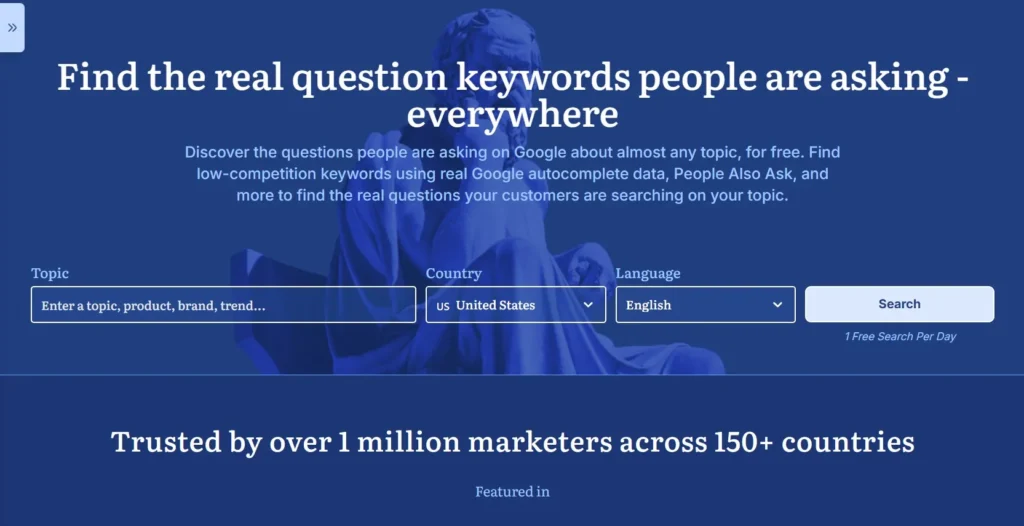
Trying to read your audience’s mind is a guaranteed way to waste your marketing budget. Answer Socrates eliminates this guesswork by showing you the exact questions real people are typing into Google. It acts as a powerful SEO and content ideation tool that pulls live data from Google Autocomplete, People Also Ask (PAA), and search trends.
In this Answer Socrates review, we will cover features, pricing, pros, cons, and alternatives.
Quick Verdict — “Tiny Tool Take”
Answer Socrates is an exceptional, budget-friendly keyword research tool designed for content creators, bloggers, and SEO specialists who need to uncover targeted, question-based search queries.
Who this is for: It is designed for bloggers, small businesses, and marketers who want quick keyword insights and content ideas based on real search queries.
Who it is NOT for: It is not built for enterprise technical SEOs who require deep backlink analysis or comprehensive site auditing features.
Rating: 4.7/5 ⭐⭐⭐⭐⭐
Answer Socrates Review: Key Features
Question Pattern Recognition
Most traditional keyword tools simply spit out a generic list of related phrases based on your seed topic. While helpful, these basic lists completely lack the context of human curiosity and user intent. Answer Socrates specifically targets the actual questions your target audience is asking online.
It does this by scraping Google’s “People Also Ask” sections and autocomplete suggestions in real-time. You enter a basic seed keyword, and the software generates hundreds of specific “who, what, where, when, why, and how” queries. This allows you to structure your articles as direct answers to real human problems.
Automated Keyword Clustering
Grouping keywords into relevant topic clusters manually requires hours of mind-numbing spreadsheet work. You have to individually evaluate user intent for hundreds of phrases to group them correctly. Answer Socrates removes this massive bottleneck with its built-in, AI-powered keyword clustering feature.
The tool uses machine learning to automatically sort your raw keyword lists into logical content buckets. It groups terms that share similar search intent, allowing you to easily build comprehensive content hubs. This one feature alone saves content managers dozens of hours every single month.
Recursive Keyword Search
Finding the obvious keywords in your niche is easy, which means your competitors are already targeting them. To win in modern SEO, you must uncover hidden, long-tail variations that others have completely overlooked. The recursive search feature is designed specifically to dig deeper into the data.
Instead of stopping at the first layer of results, the tool takes the generated keywords and automatically runs them back through the search engine. This recursive loop uncovers highly specific, ultra-low-competition queries that traditional tools miss. It is an absolute goldmine for finding profitable niche topics.
Search Volume and CPC Metrics
Knowing what questions people are asking is only half the battle in content strategy. You also need to know if enough people are searching for those questions to justify writing an entire article. Answer Socrates provides vital search volume data directly alongside its generated queries.
You can instantly see the estimated monthly searches, keyword difficulty, and Cost-Per-Click (CPC) metrics. This critical data helps you prioritize your content calendar based on actual revenue potential. You can confidently focus your time on high-volume, low-competition questions that drive real business results.
Localized and Multilingual Data
Search behavior varies drastically depending on geographic location and cultural nuance. A question asked frequently in the United Kingdom might have zero search volume in the United States. Answer Socrates understands this and offers robust localization features for global marketers.
The platform allows you to specify your target country and preferred language before running any search. This ensures that the questions and metrics generated are hyper-relevant to your specific target audience. It is an invaluable feature for businesses running international or localized SEO campaigns.
Ease of Use
When you first navigate to the Answer Socrates website, you are greeted by a refreshingly minimalist interface. There are no aggressive pop-ups demanding your email address, and you do not need to input a credit card just to test it out. You can literally run your first search within three seconds of landing on the homepage.
The overall setup process is virtually non-existent for basic users. You simply type your topic into the main search bar, hit enter, and watch the data populate instantly. The results are clearly categorized by question type, making the dashboard highly readable and easy to navigate.
There is a mild learning curve when you transition into the advanced features. Mastering the AI clustering tool and understanding how to best utilize recursive searches takes a little bit of practice. However, the platform is designed intuitively enough that most users will feel confident within their first hour.
Exporting your data is also a completely frictionless experience. With a single click, you can download your organized keyword lists into a clean CSV file. This makes it incredibly easy to integrate Answer Socrates into your existing content production workflows.
Performance & Reliability
Speed is incredibly important when you are trying to brainstorm content ideas on a tight deadline. Answer Socrates excels in performance, generating massive lists of hundreds of keywords in just a few seconds. The platform rarely lags, even when pulling complex data sets from multiple geographic regions.
Platform stability is rock-solid, which is impressive for a tool relying heavily on scraping live search engine data. The developers maintain robust API connections to ensure that you are never left staring at a broken loading screen. The software consistently delivers accurate, up-to-date queries without frustrating downtime.
The output quality of the automated clustering algorithm is generally excellent, but it is not flawless. The machine learning model achieves about an eighty-five percent accuracy rate when grouping topics. You will occasionally find a stray UK-specific term mixed into a US-based cluster, so minor manual review is highly recommended.
Despite this minor imperfection, the clustering performance is still vastly superior to manual sorting. The recursive search output is highly reliable, consistently generating deep-dive topics that actually make sense. Overall, the technical performance of this tool hits far above its weight class.
Answer Socrates Pricing & Plans
Answer Socrates pricing is widely considered one of the most competitive and generous structures in the SEO industry. It completely disrupts the market by offering premium data points on its free tier without aggressive paywalls. If you choose to upgrade, the paid tiers are highly affordable for freelancers and growing agencies alike.
Here is a breakdown of the primary subscription options.
| Plan Name | Monthly Price | Key Features Included | Best For |
| Free | $0 | 5 daily searches, 3,000 cluster credits, basic metrics | Beginners and casual bloggers |
| Lite | $9 | 100 monthly searches, 30 recursive searches, 3,000 cluster credits | Freelance writers and solo marketers |
| Seneca (Pro) | $29 | 500 monthly searches, 100 recursive searches, 12,000 cluster credits | Small content teams and agencies |
| Aurelius | $49 | Unlimited searches, 500 recursive searches, 40,000 cluster credits | High-volume content publishers |
The Free plan is genuinely staggering in its generosity. Unlike competitors that hide search volumes, this free tier gives you full access to essential metrics and even includes clustering credits. It is the perfect starting point to prove the tool’s value before spending a single dime.
The Lite plan costs less than a fast-food meal but drastically increases your monthly search limits. It unlocks recursive searches, allowing you to dig much deeper into niche topic clusters. This tier provides incredible value for solo website owners pushing out weekly content.
The Seneca plan is the sweet spot for professional content teams managing multiple client campaigns. It provides enough clustering credits to organize massive topical maps with ease. For power users, the Aurelius plan offers unlimited keyword searches, removing all usage anxiety for good.
Pros and Cons
✅ Pros
- The incredibly generous free plan includes access to search volumes and clustering tools.
- Uncovers highly specific, low-competition questions through its unique recursive search feature.
- Instant AI keyword clustering saves content teams dozens of hours of manual spreadsheet sorting.
- The clean, intuitive interface requires zero learning curve and no mandatory account creation for basic use.
- Allows for highly targeted international SEO research with robust country and language filtering.
❌ Cons
- The AI clustering algorithm occasionally groups unrelated terms and requires some manual review.
- It strictly focuses on Google search data, completely ignoring Bing or YouTube queries.
- Does not include technical SEO features like backlink analysis or comprehensive site auditing.
- The free tier limits you to just one recursive search per day, which restricts deep-dive research.
Customer Support
Answer Socrates takes a very straightforward, self-serve approach to customer support. Because the tool is remarkably simple to use, the need for urgent technical assistance is quite low. Most of your questions can be easily answered by exploring their clean interface and tooltips.
For paying subscribers, the platform offers direct email support to help troubleshoot account or billing issues. The founders are known to be highly responsive, often replying to technical inquiries within a single business day. You are communicating with actual humans who understand SEO, rather than automated chatbots.
They also provide a growing library of basic documentation and use-case examples on their website. These resources clearly explain how to interpret search volume data and how to best utilize the clustering credits. While they lack 24/7 live phone support, the current ecosystem is perfectly adequate for a tool at this price point.
Top Answer Socrates Alternatives
AnswerThePublic
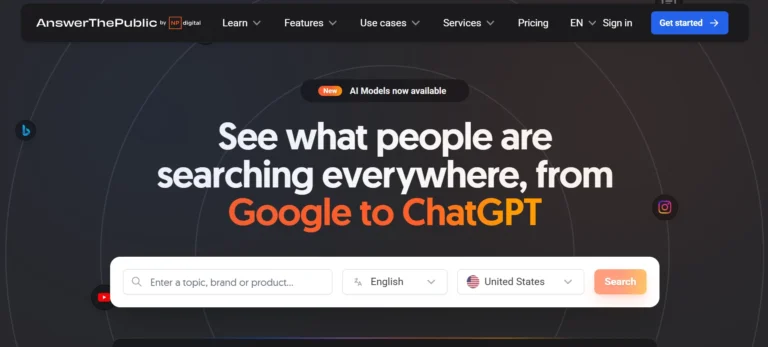
AnswerThePublic is the most famous visual keyword research tool on the market, known for its iconic search wheels. It is fantastic for visual learners who want to see how questions branch out from a core topic. However, its free version is heavily restricted, and Answer Socrates offers much better data metrics for less money.
Ahrefs
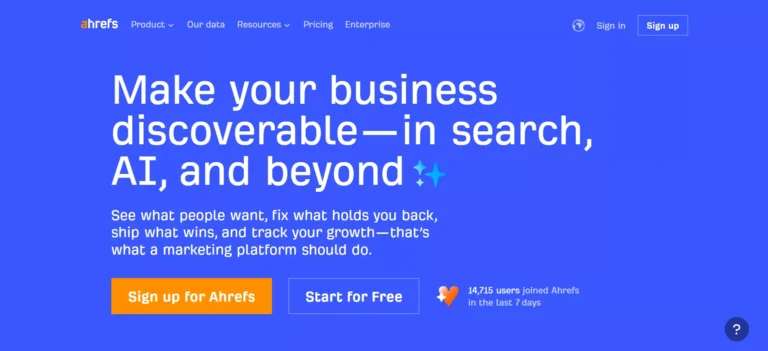
Ahrefs is an industry-leading, enterprise-grade SEO powerhouse that offers unparalleled data accuracy. It provides deep SERP analysis, backlink tracking, and comprehensive technical site audits alongside its keyword explorer. It is a drastically more expensive and complex tool, making it overkill if you solely need question-based content ideas.
Also Asked
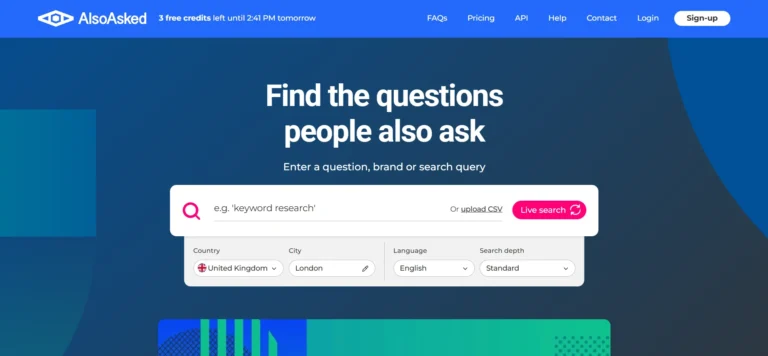
Also Asked is a highly specialized tool that exclusively maps out Google’s “People Also Ask” questions in a branching tree format. It is brilliant for understanding the exact relationship between different user queries. While incredibly useful for structure, Answer Socrates provides a more well-rounded suite by including search volumes and clustering.
Conclusion
Answer Socrates is a masterclass in building a software tool that perfectly solves a specific problem. By focusing entirely on what people are actually asking, it forces marketers to prioritize true user intent. The platform strips away the bloat of enterprise SEO tools, leaving behind a highly actionable content ideation machine.
Is Answer Socrates good for your daily workflow? Absolutely. The automated clustering and recursive search features provide immediate, tangible value that saves both time and money. When you factor in the incredibly generous pricing structure, it becomes an absolute must-have in any modern marketer’s toolkit.
If you are tired of guessing what your audience wants to read, you need to start using data-driven insights today.
Frequently Asked Questions
Yes, it is highly recommended for beginners. The clean interface allows anyone to generate valuable keyword lists without understanding complex SEO jargon. You can start finding relevant blog post ideas instantly without reading a single tutorial.
The tool uses a machine learning algorithm to analyze the underlying intent of your generated keywords. It then automatically groups similar terms into logical buckets or “clusters.” This allows you to write one comprehensive article that targets multiple related questions at once.
No, you do not need an account to run basic searches. The website allows you to perform a limited number of daily searches completely anonymously. However, creating a free account unlocks access to your search history and clustering credits.
While both tools find question-based keywords, Answer Socrates offers significantly more value on its free tier. It provides crucial metrics like search volume and CPC, which AnswerThePublic hides behind a paywall. It also includes advanced tools like recursive search and automated clustering.
Yes, exporting your data is incredibly simple and highly encouraged. Every search result and clustered group can be downloaded as a CSV file with a single click. This feature is available on all plans, including the completely free tier.